


© 2026 «Kompetenz». All rights reserved


 English
 Русский
 Қазақша
 العربية
 Français



Critical illnesses such as cancer, cardiovascular diseases, stroke and severe organ failure represent some of the most significant health risks worldwide. Advances in medical technology have improved survival rates, yet treatment costs and long-term recovery periods remain financially challenging for many individuals and families.
Critical illness insurance is designed to provide financial protection when individuals are diagnosed with serious medical conditions. Unlike traditional health insurance, these policies typically pay a lump sum that can be used to cover medical treatment, rehabilitation, lifestyle adjustments or loss of income during recovery.
According to data from the World Health Organization, non-communicable diseases account for approximately 74% of all deaths globally. Among them, cardiovascular diseases remain the leading cause, followed by cancer and chronic respiratory diseases.
These statistics highlight the importance of proactive financial planning for health risks that may arise unexpectedly during an individual's working life.
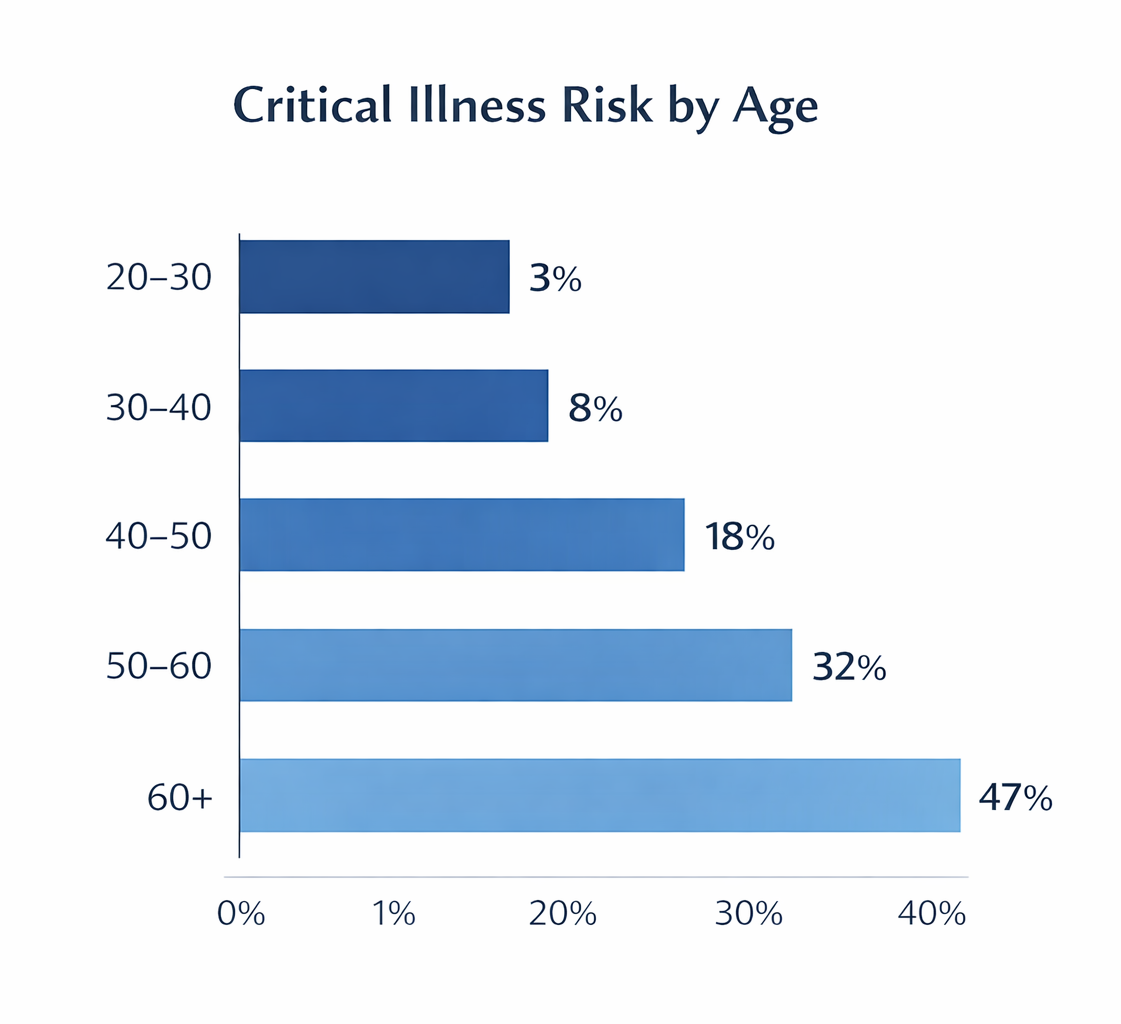
Medical research consistently shows that the probability of developing critical illnesses increases with age. However, insurance pricing follows the opposite pattern. Younger individuals typically receive significantly lower premiums because their statistical risk is lower.
From an insurance perspective, the optimal window for obtaining the first critical illness policy is usually between the ages of 25 and 40. At this stage of life, individuals often enjoy good health while securing long-term financial protection at a relatively low cost.
Purchasing critical illness insurance earlier provides several strategic advantages. Insurance companies evaluate health status at the moment the policy is issued. If the insured person later develops a medical condition, the existing policy remains valid and continues to provide protection.
Serious medical conditions often lead to temporary or permanent interruption of professional activity. In addition to treatment expenses, individuals may face loss of income, rehabilitation costs and lifestyle adjustments. A lump-sum benefit from a critical illness policy can therefore serve as an important financial buffer during a period of recovery.
Beyond financial protection, critical illness insurance plays an important role in supporting psychological stability for clients and their families. Knowing that financial resources are available in the event of a serious illness reduces uncertainty and allows individuals to focus on recovery rather than financial stress.
From a long-term planning perspective, critical illness insurance forms part of a broader strategy of personal risk management alongside life insurance, health insurance and disability protection.
The key insight for clients is that critical illness insurance is most effective when purchased before health risks begin to increase. Early planning allows individuals to secure broader coverage at lower cost while maintaining financial resilience throughout their working life.
At Insurance Broker Kompetenz, we help clients analyze health risks, compare insurance solutions and build long-term protection strategies that support both financial security and personal well-being.


